 Skip to content


– Sanjay Govil, Founder and Chairman, Infinite.







About Infinite Computer Solutions
Infinite is a global technology services company helping enterprises harness emerging technologies to create measurable business outcomes and enduring advantage. With an AI-first, engineering-led approach, we help clients modernize the enterprise core, scale AI with confidence, build stronger digital foundations, and run smarter operations. Infinite is recognized by leading analyst firms for capabilities across AI-led application services, cloud, healthcare digital services, quality engineering, digital engineering, and care management platforms. To know more visit us at: http://www.infinite.com/
About Washington Freedom
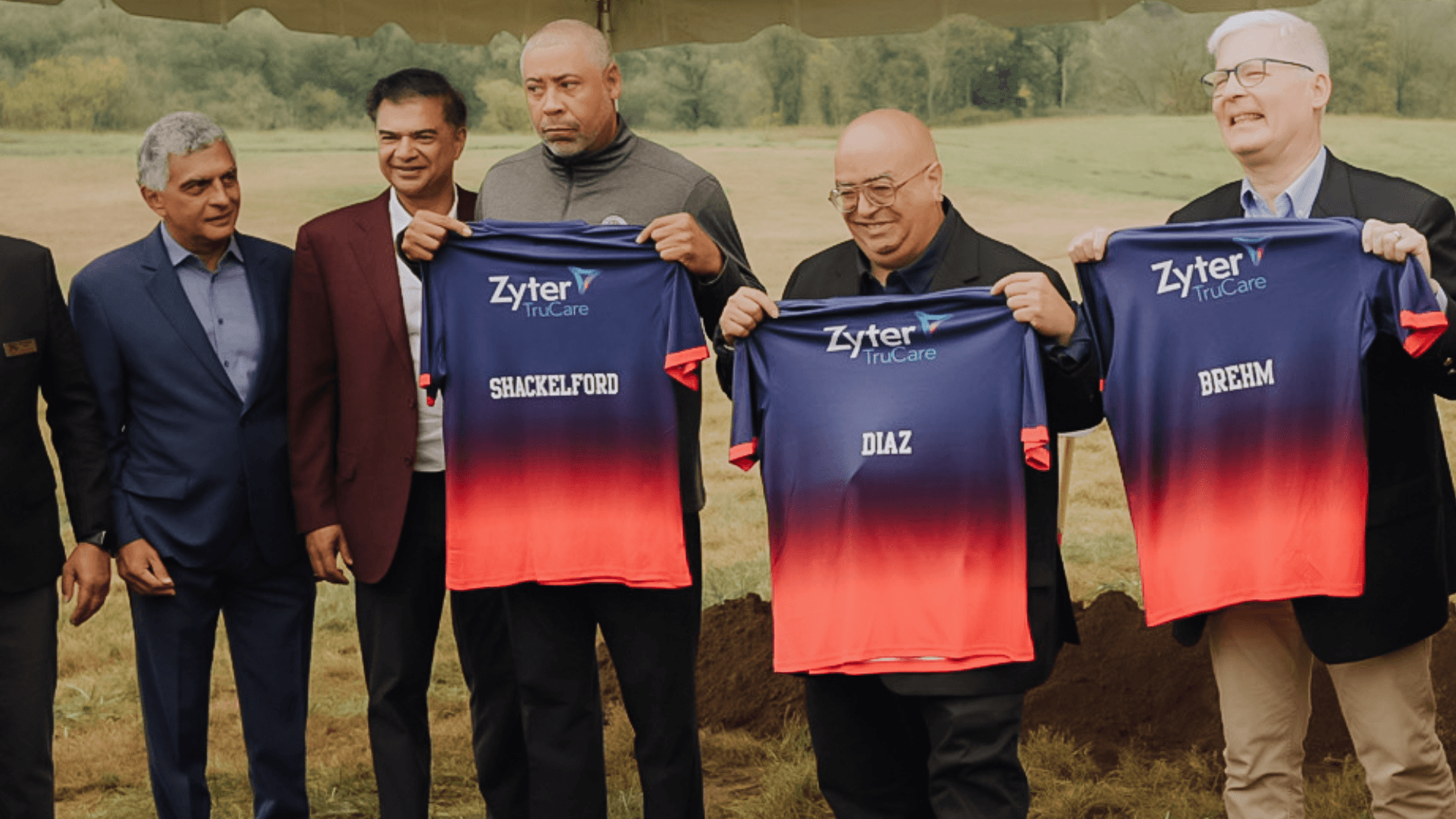
Washington Freedom is a professional cricket franchise competing in Major League Cricket (MLC), the United States’ professional T20 cricket league. Owned by entrepreneur Sanjay Govil, the team is working toward establishing a permanent home in Frederick, Maryland, while contributing to the growth of cricket in the United States. Learn more: www.washingtonfreedom.com